
Proactive Customer Service: Solving Problems Before Customers Call
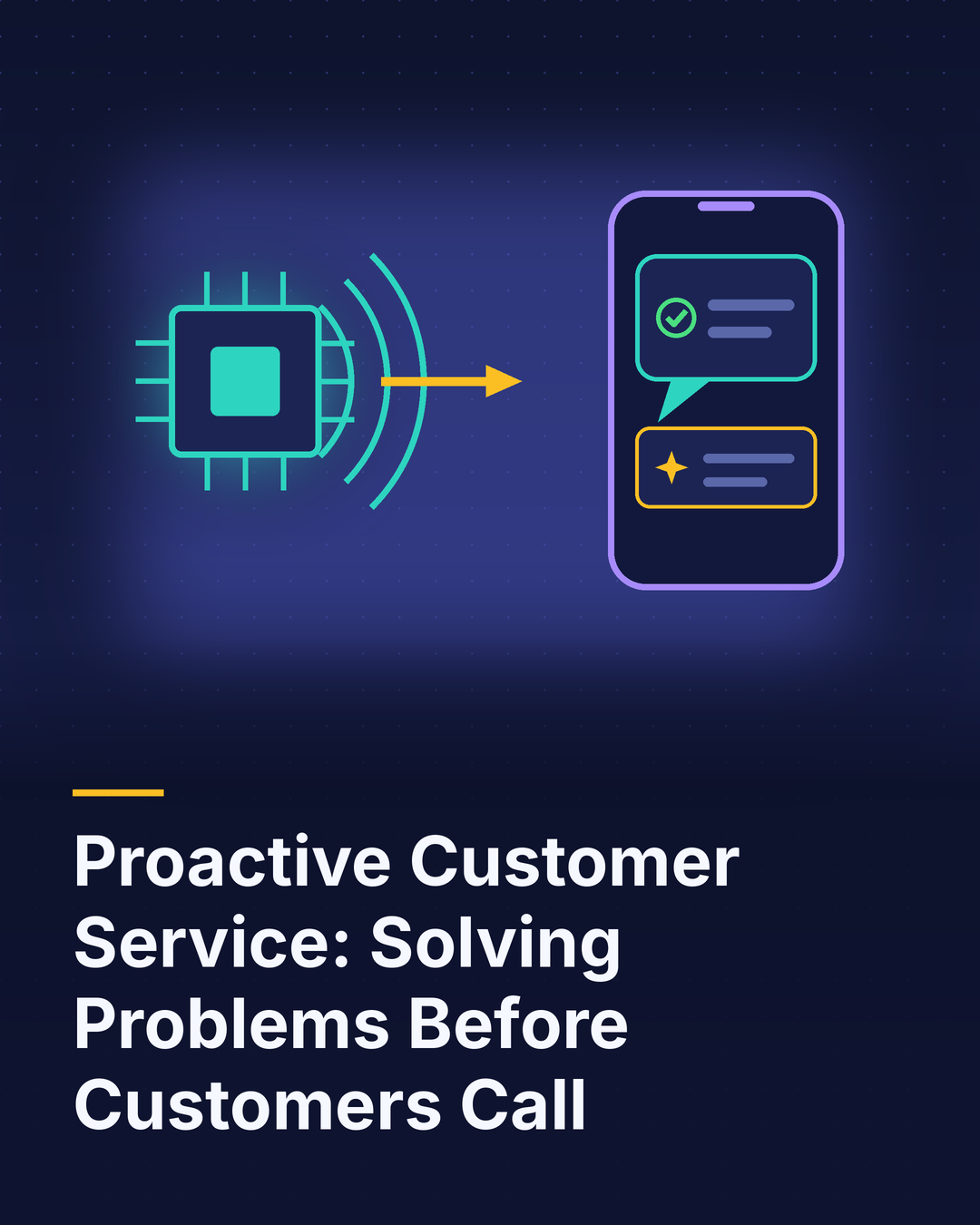
The best customer service interaction, from the customer’s perspective, is often the one that never needs to happen. A customer who never experiences a problem, or who is informed of an issue and its resolution before noticing it, enjoys a far better experience than one who must call, wait and explain. Proactive customer service seeks to make this the norm rather than the exception.
From Reactive to Proactive
Traditional customer service is inherently reactive. A problem occurs, the customer notices it, the customer contacts the organization and the organization responds. Each stage introduces delay and frustration. By the time the customer reaches an agent, their opinion of the company may already have been shaped.
Proactive service reverses this sequence. The organization detects the problem, often before the customer is aware of it, and either resolves it automatically or communicates clearly about what is happening and when it will be fixed.
The Building Blocks of Proactive Service
Several capabilities make proactive service possible.
- Connected products and services. Devices, equipment and digital services that report their status allow organizations to detect faults, degradation or unusual usage patterns in real time.
- Operational monitoring linked to customers. When an infrastructure or service issue occurs, the organization can identify immediately which customers are affected.
- Pattern detection in case data. Analyzing incoming cases can reveal an emerging issue, such as a defective product batch, while it is still affecting only a few customers.
- Automated outreach. Customers can be notified through their preferred channel, with clear information and, where appropriate, a resolution already in progress.
- Integrated workflows. Detection must trigger action in the teams able to fix the problem, whether that means dispatching a technician, shipping a replacement part or correcting a billing error.
Practical Examples
A telecommunications provider can notify customers in an affected area of a network outage, along with an estimated restoration time, before the contact center is overwhelmed with calls. An equipment manufacturer can detect that a machine is approaching failure and schedule maintenance before the customer’s operations are disrupted. A utility can identify an unusually high bill caused by a meter fault and correct it before the customer sees it.
In each case, the organization prevents a contact, protects the customer relationship and often reduces its own costs.
Organizational Requirements
Proactive service requires collaboration between customer service, operations, engineering and IT, since the data and the ability to act are distributed across these teams. A shared platform that connects customer records with operational data and workflows is the most effective way to achieve this. It also requires a change in mindset, with success measured not only by how well contacts are handled but by how many are avoided altogether.
The Bottom Line
Proactive customer service shifts the organization from responding to problems to anticipating them. By connecting operational data with customer records and automated workflows, companies can detect issues early, resolve many before customers notice and communicate transparently about the rest. The result is fewer contacts, lower costs and considerably stronger customer loyalty. As customer expectations continue to rise, the organizations that act first will increasingly set the standard against which all others are judged.