
Zero Trust in the Cloud: Moving Beyond the VPN
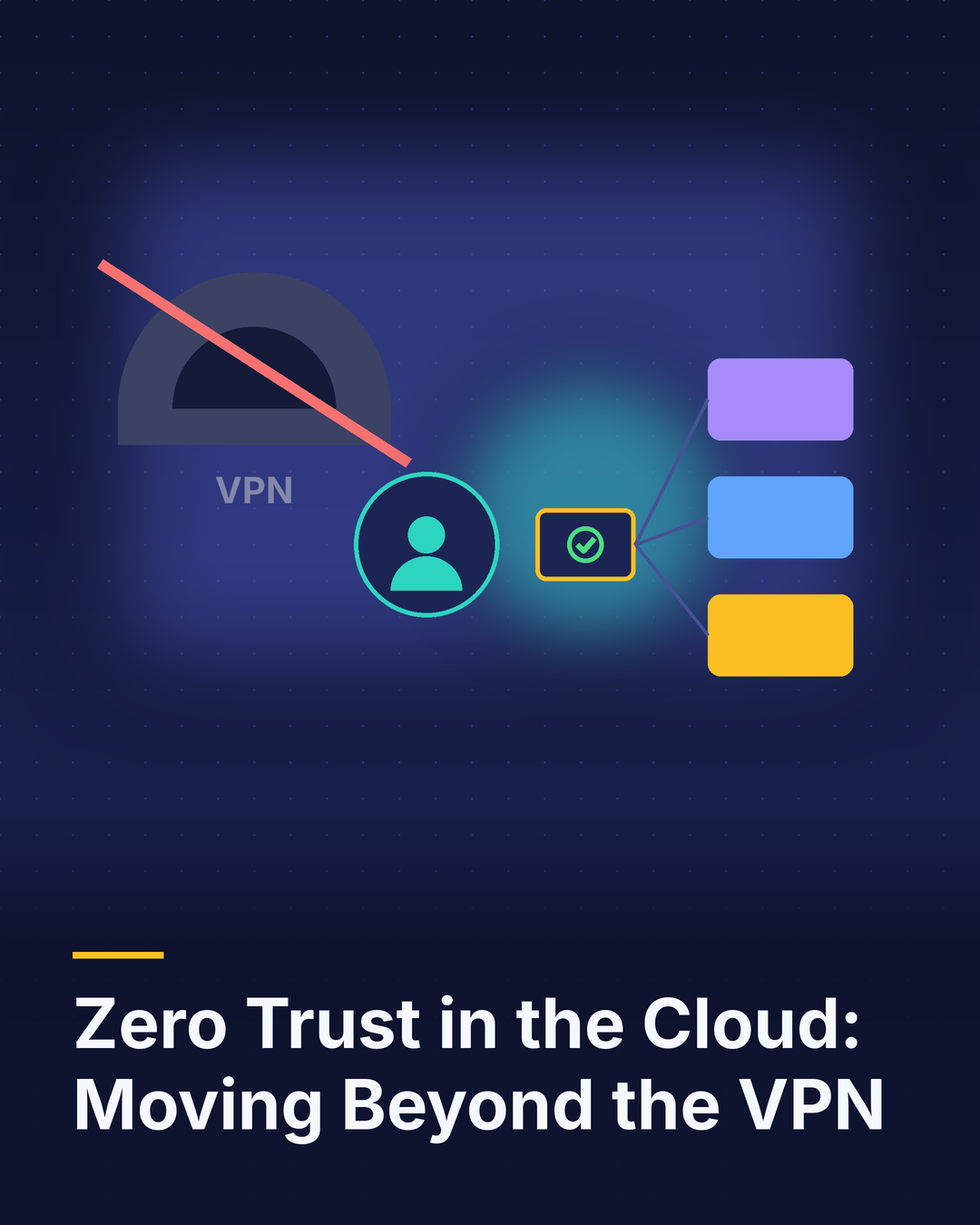
For many years, the virtual private network was the principal mechanism by which remote employees reached corporate systems. The logic was straightforward. The corporate network was trusted; the internet was not. A VPN extended the trusted network to the remote user, and once connected, that user could generally reach a wide range of internal resources.
That model served reasonably well when most applications lived in a corporate data center and most employees worked in an office. It is poorly suited to an environment in which applications run across multiple clouds and software-as-a-service platforms, and in which employees, contractors and partners work from anywhere.
The weaknesses of network-based trust
The fundamental difficulty with the VPN model is that it grants broad access based on network location. An attacker who obtains valid credentials, or compromises a single connected device, can often move laterally across the network with relatively little resistance. VPN infrastructure itself has also been a frequent target, with vulnerabilities in remote access appliances exploited in numerous serious incidents.
There are practical drawbacks as well. Routing all traffic through a central gateway adds latency, particularly when the applications themselves are in the cloud, and creates capacity constraints during periods of heavy remote working.
The zero trust alternative
Zero trust replaces implicit trust in the network with explicit verification of every request. Access to each application is granted based on the identity of the user, the security posture of the device, and contextual signals such as location and behavior. Users are connected to specific applications, never to the network as a whole.
This approach, sometimes described as identity-aware or context-aware access, has been proven at very large scale. Some major technology companies have operated without a traditional VPN for many years, with employees accessing internal applications securely from any network.
Making the transition
A phased approach works best. Begin by strengthening identity, including phishing-resistant multi-factor authentication. Establish device inventory and health assessment. Then place web-based internal applications behind an identity-aware access proxy, one group at a time, and progressively retire VPN access as coverage grows. Legacy applications that cannot be easily adapted may require transitional solutions, but they should be the exception.
The bottom line
The VPN was designed for an era of centralized networks that no longer reflects how enterprises operate. Zero trust access, built on verified identity and device health, offers stronger security and a better experience for users working from anywhere. Organizations that make this transition methodically will reduce their exposure to some of the most common attack paths of recent years.